- (706) 825-1747
- B.b_concrete@yahoo.com
- Augusta, GA
Excavations
- Home
- /
- Excavations
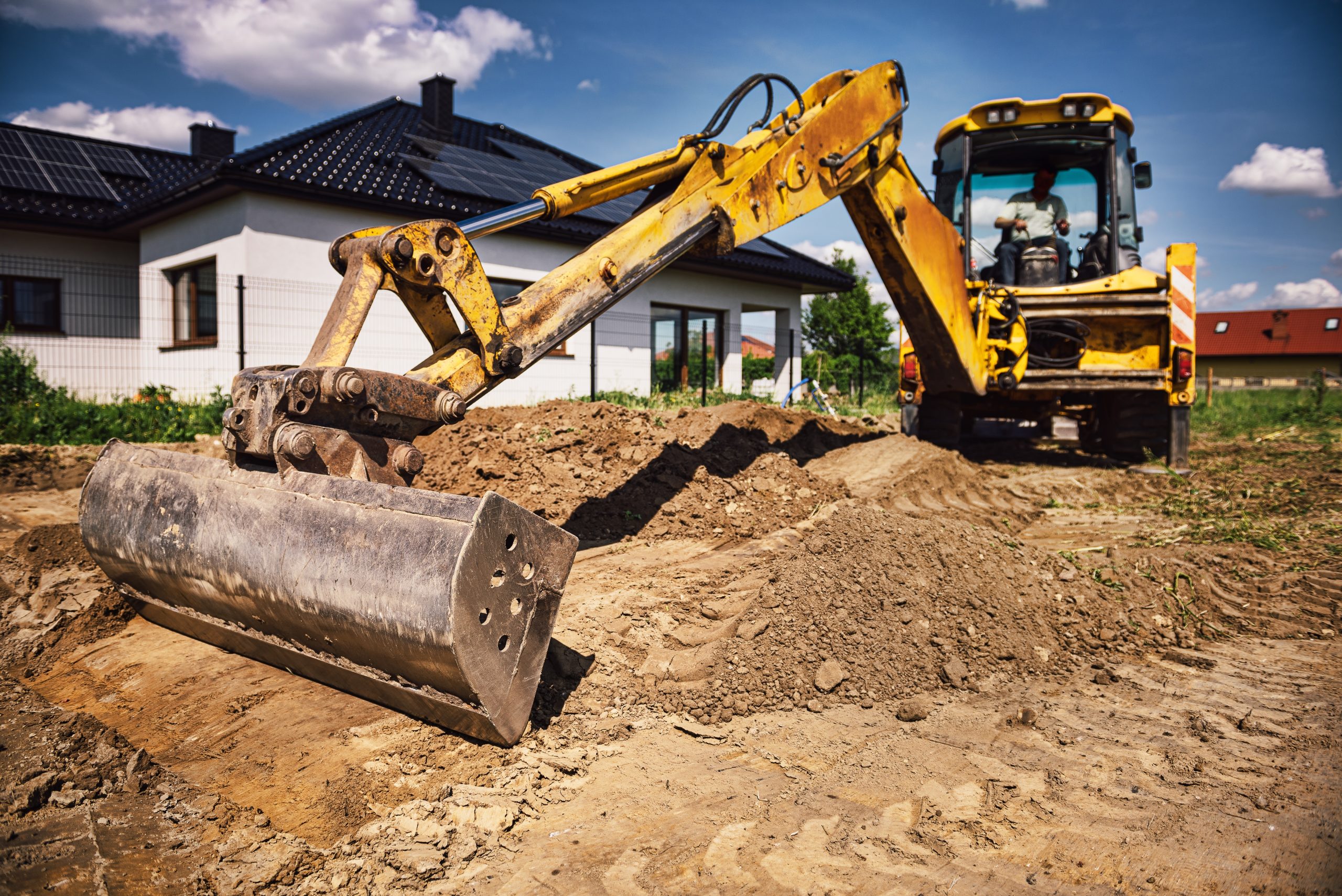
Excavation Services in Augusta, GA and Surrounding Areas
Every concrete project starts with the ground. Before a single yard of concrete is mixed or a single form is set, the earth beneath the project needs to be properly removed, shaped, and prepared to support what is going up on top of it. Excavation done well is invisible once a project is finished: you never think about it because nothing goes wrong. Excavation done poorly shows up eventually in settled slabs, cracked foundations, and drainage problems that were built in before the concrete ever arrived. At B&B Concrete, excavation is handled as a foundational part of every project we take on across Augusta and the surrounding area, not an afterthought managed by whoever is available with a shovel.
More Than Just Moving Dirt
The word excavation makes it sound simpler than it is. Moving earth from one place to another is the mechanical part. The decisions made during excavation: how deep to go, what to do with what is found beneath the surface, how to manage the material that comes out, and how to prepare what remains, are what determine whether the concrete that follows performs the way it should. Georgia’s soil profile varies considerably across our service area. The Augusta area and surrounding area is comprised of a variety of clay-rich soils, sandy subsoils, and fill material from past construction or grading. Clay soils expand when wet and contract when dry, which means a concrete slab poured directly over unmanaged clay is already dealing with a ground that is going to move beneath it through every wet season and dry spell that follows. Knowing the conditions at a construction site before excavation starts will influence all decisions related to depth, base preparation, and drainage to follow.
What’s Included:
- Professional Site Surveying & Utility Line Verification
- Bulk Earthmoving & Precise Land Clearing
- Accurate Trenching for Utilities, Footings, & Foundations
- Soil Stabilization & Subgrade Compaction
- Structural Backfilling & Final Grading
- Complete Site Cleanup & Debris Hauling
Site Preparation and Clearing
Before excavation equipment touches the ground, the site needs to be properly assessed and cleared. Existing vegetation, surface debris, and in some cases, existing concrete or paving that needs to be removed are all handled as part of the preparation process. For projects that follow driveway or concrete replacement work, the demolition and removal of the old material is part of the same workflow rather than a separate operation. Utility location is confirmed before any digging begins. Underground utilities: water lines, gas lines, electrical conduit, and drainage infrastructure run beneath properties across Augusta and the surrounding area, and knowing exactly where they are before excavation starts is not optional. We take this step seriously on every project, regardless of how straightforward the site appears from the surface.
Excavation for Different Project Types
The excavation approach varies depending on what the project requires, and our experience across the full range of concrete work we handle gives us a clear understanding of what each situation demands.
Driveway and patio excavation removes topsoil and any unstable material to the depth required for the base preparation and slab thickness the project calls for. For standard residential concrete work across Augusta, this typically means excavating to a depth that allows for compacted base aggregate and the concrete slab itself to sit at or slightly above the surrounding grade. Getting this depth consistent across the full project area is what prevents the thin spots and thick spots in a poured slab that lead to uneven performance over time.
Foundation excavation goes deeper and involves more precise depth and dimension control than surface slab work. A foundation footing that is not excavated to a consistent depth, or that has loose or disturbed material at the bottom of the excavation, will not transfer loads into the ground the way the structure above it requires. We take our time at the foundation excavation stage because the consequences of getting it wrong are significantly more serious than with surface slab work.
Grading and drainage excavation shapes the ground to direct water where it needs to go rather than where it naturally wants to go. Poorly drained sites around Augusta regularly produce concrete problems that look like material or installation failures but are actually water management problems that were baked into the site before the concrete went down. Excavating and reshaping the ground to establish correct drainage patterns before a project begins addresses those problems at their source.
Equipment and Approach
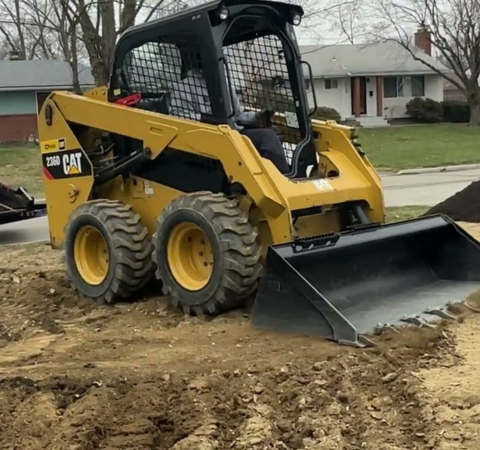
Excavation across our service area involves a range of site conditions and access situations, and the right equipment for each job depends on what the site actually presents. Compact excavation equipment suits residential projects in established neighborhoods where access is limited and surrounding landscaping needs to be protected. Larger equipment is appropriate for open rural sites and commercial projects where the scale of the work and the available access allow it.
Hand excavation is employed where equipment access is impractical, or where the close setting of existing structures, utilities, and/or landscaping would necessitate more precise excavation than equipment can provide. Our crew has a wide variety of experience in these scenarios and will choose what is best for the site instead of what is easiest.
Communities We Serve in Augusta and Beyond
The communities we serve are not all alike, and they have different characteristics that can affect the approach for each project in a community.
When excavation projects are carried out in already developed residential neighborhoods, such as Augusta, GA, they have to deal with mature landscaping, limited site access, and utility facilities that have been installed over the years. Here, careful and precise work is the norm, not an exception.
Columbia County, GA, newer residential and commercial development sites present different conditions: often larger open areas with fewer access constraints but soil profiles that reflect recent grading and fill work from subdivision development that needs to be accounted for during excavation planning.
North Augusta, GA commercial excavation work alongside residential projects keeps our crew regularly active across the river, handling the range of site conditions that North Augusta’s mix of established and developing areas presents.
Akins, GA, Thomson, GA, and Pinetucky, GA, rural properties involve larger excavation footprints, more variable soil conditions across the site, and in some cases, access situations where getting equipment to the work area requires planning that urban and suburban projects do not. Our crew handles rural excavation regularly and understands what those sites demand.
Ready to Get Your Site Prepared?
Whatever the project involves, from a new driveway in Augusta, a foundation in Columbia County or a complete site preparation project on a rural property on Akins or Thomson, B&B Concrete does the excavation the right way and the rest of the project will perform the way it should. Give us a call: (706) 825-1747 or contact us online to talk about your project.