- (706) 825-1747
- B.b_concrete@yahoo.com
- Augusta, GA
Concrete Repair
- Home
- /
- Concrete Repair
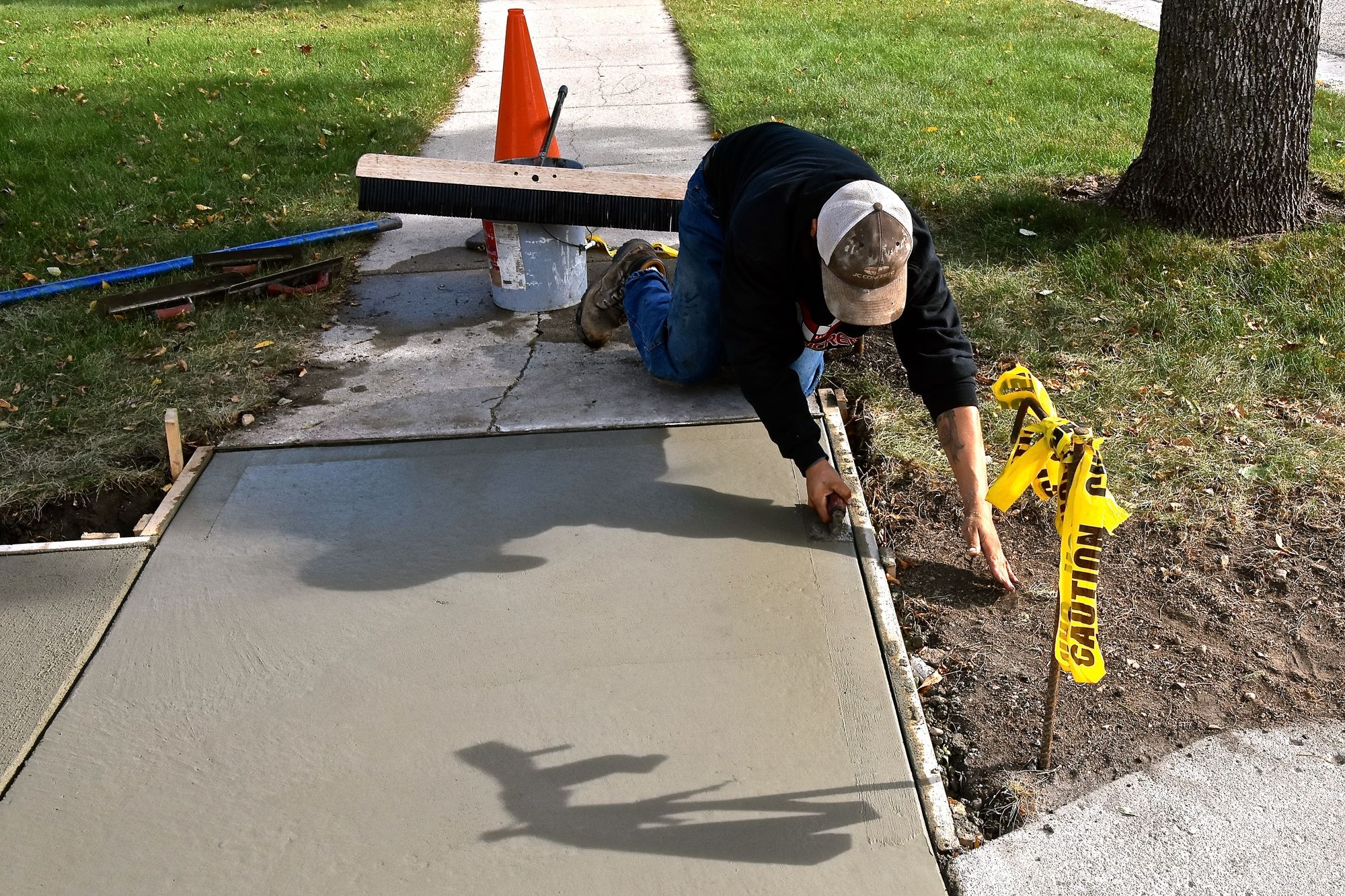
Concrete Repair Services in Augusta, GA and Surrounding Areas
Concrete, unlike other materials, is one of the toughest materials available, but not indestructible. As time passes, cracks appear, surfaces spall off, steps chip out and slabs settle unevenly. The most common question that property owners have is whether their concrete will ever need to be fixed or if it should be replaced. Concrete repair service begins with a straightforward evaluation at B&B Concrete of what the damage actually is, what caused it and whether repair is the best solution or whether replacement is the more practical one.
Why Concrete Repairs Fail
A repaired piece of concrete that fails again within a season or two is almost always the result of treating the symptom rather than the cause. A crack that gets filled without understanding why it opened will open again. If a spalled surface is simply patched, yet the moisture source that contributed to the spalling is not resolved, the surface will continue to deteriorate under the cover. The first step for a concrete repair specialist to get lasting results is to read the damage correctly. When the cracks on the surface are patterned, it’s a different story than random cracking. If the spalling happens near the edges, it’s a different scenario than spalling in the center of the slab. If the patio is settled on just one corner, it indicates specific soil or drainage conditions under that corner. That is why it is important to know the cause first, and then repair.
What’s Included:
- Comprehensive Damage Assessment & Inspection
- Precision Crack Routing & Debris Removal
- Application of High-Strength Concrete Patching Compounds
- Surface Leveling, Grinding, & Texture Matching
- High-Performance Joint Sealing & Weatherproofing
- Complete Site Cleanup & Surface De-dusting
Types of Concrete Repair We Handle
Crack Repair
Concrete wall crack repair and slab crack repair cover the range of cracking patterns that develop in outdoor and structural concrete over time. Hairline cracks that have not yet allowed significant water infiltration are addressed differently than wide, displaced cracks where sections of the slab have moved relative to each other.
For cracks where the two sides remain level, routing and sealing with a flexible polyurethane or epoxy filler produces a repair that accommodates future movement rather than cracking again at the same line. Displaced cracks where one side has lifted or dropped indicate a subgrade issue that needs to be addressed before the surface repair will hold.
Concrete wall crack repair on foundation or basement walls follows a different process again: injection repair using epoxy or polyurethane foam seals the crack through the full depth of the wall rather than just at the surface, which is the only approach that addresses both structural integrity and water infiltration simultaneously.
Spalling Repair
Concrete spalling repair deals with flaking, pitting and surface delamination, which occurs when moisture seeps into the concrete and affects the surface layer. In Georgia’s conditions, freeze-thaw cycling in colder weather causes spalling on surfaces that have absorbed water through cracks or a defective sealer.
Spalling repair is performed by removing all delaminating and loose material back to sound concrete, preparing the surface with the appropriate bonding agent, and applying a repair mortar or concrete overlay to the depth and extent of the damage. The repair material needs to be compatible with the existing concrete in terms of both mix design and thermal movement: incompatible patch materials debond at the edges and the repair fails quickly.
Step Repair
Broken concrete step repair is one of the most common repair requests we handle. Steps take repeated impact loading at their nosing edges, and those edges are the first part of a step to chip, crack, and break away. Repair involves forming the damaged edge back to its original profile using a bonding agent and repair mortar, finished to match the surrounding surface texture.
Where steps have settled, cracked across their full width, or deteriorated to the point where surface repair would not produce a structurally sound result, replacement of the step or the full stair assembly is the honest recommendation.
Floor and Slab Repair
Garage concrete floor repair and basement concrete floor repair work cover the cracking, joint failure, and surface deterioration that develop in interior slabs over time. Oil and chemical staining that has penetrated the surface, joint filler that has deteriorated and left open gaps, and surface delamination from moisture vapor pressure rising through the slab are all repair scenarios we handle.
Concrete patio repair and concrete sidewalk repair address the outdoor slab damage most commonly caused by tree root pressure, ground settlement, and weathering. Sections that have lifted or dropped due to root intrusion or soil movement are either lifted and re-leveled where the slab is otherwise sound or removed and replaced where the damage has progressed beyond what surface repair can address.
Residential and Commercial Concrete Repair
Residential concrete repair covers homes across Augusta and the surrounding area: driveways, patios, sidewalks, steps, garage floors, and foundation elements that have developed damage requiring professional attention.
Commercial concrete repair involves the same range of damage types but at a scale and with a timeline urgency that residential work does not always present. A cracked commercial sidewalk is a liability concern. A deteriorating warehouse floor affects daily operations. Concrete repair companies working in commercial environments need to work efficiently and produce repairs that hold up under the traffic and loading those environments generate. We assess commercial repair projects on their terms and give business owners an honest picture of the scope and timeline before any work begins.
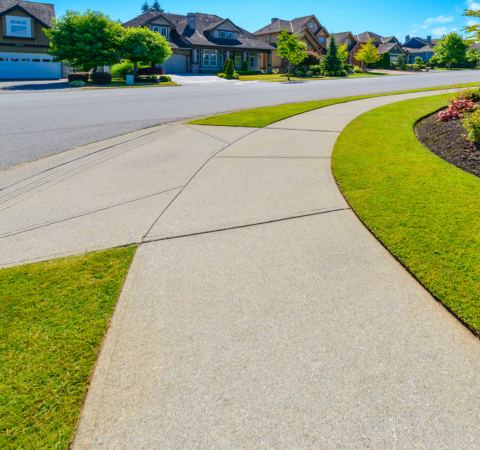
Serving Homeowners Across Augusta, Columbia County, North Augusta & Surrounding Areas
Our concrete repair services cover Augusta, GA, as our primary base, alongside Columbia County, North Augusta, Akins, Thomson, and Pinetucky. Each area presents its own typical damage patterns: Augusta’s older properties frequently need step and sidewalk repair, Columbia County’s newer developments occasionally present early slab cracking from settlement, and the rural properties across Akins, Thomson, and Pinetucky often involve larger slab areas with drainage-related damage from years of unmanaged surface water.
Get an Honest Repair Assessment
If you have concrete damage and aren’t sure if it can be fixed or replaced, we’ll let you know! To get a free on-site assessment for B&B Concrete, please call (706) 825-1747 or contact us online.